Pricing Guide
Reading time: 5 min
Photography costs: what affects the price?
Understanding how a photography budget is calculated allows clients to optimize their investment and ensure the final result meets the technical and aesthetic objectives required for their brand or personal project.
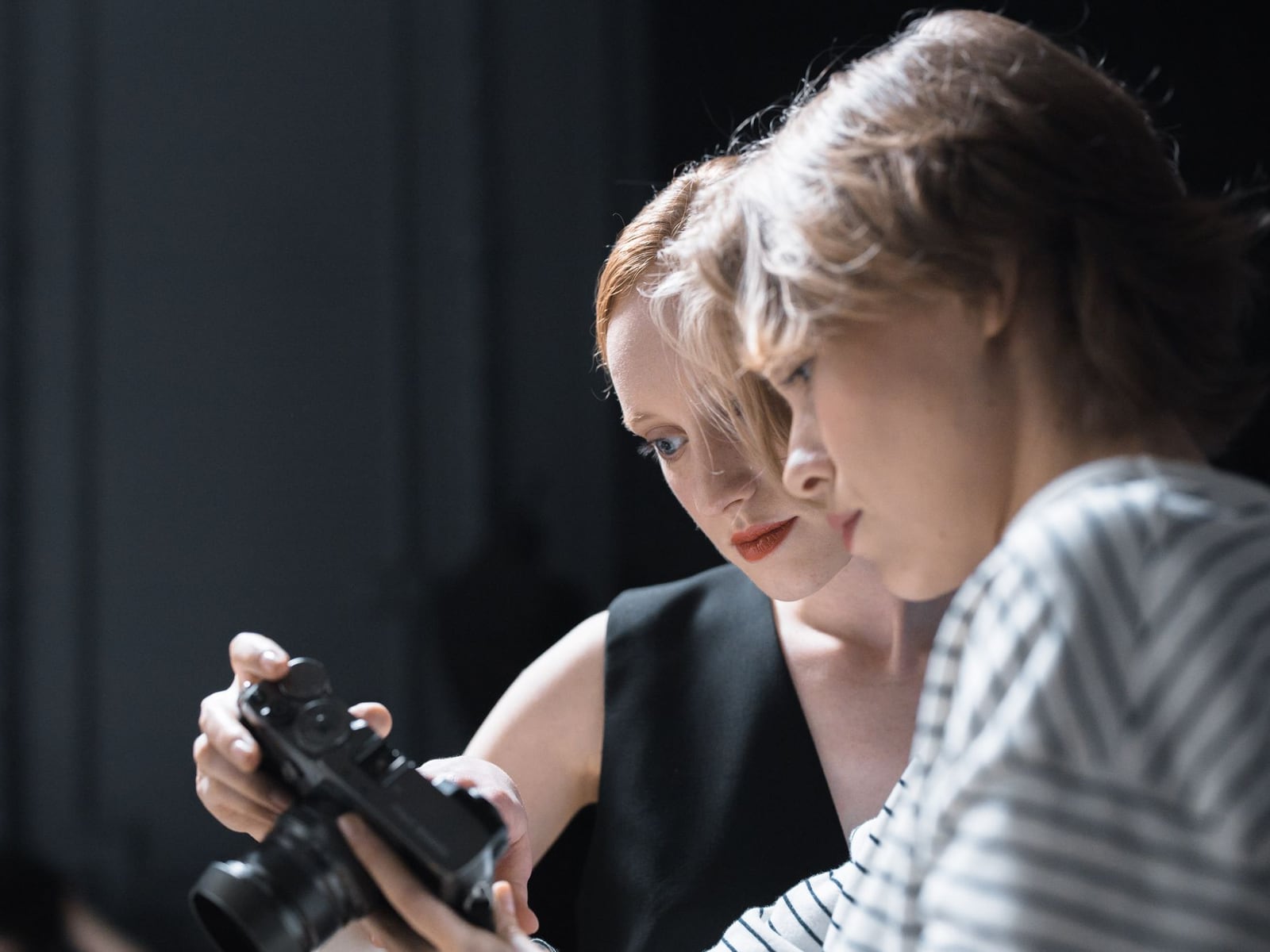
The price of a photo session is not an arbitrary number, but the sum of various operational, technical, and creative costs. In a professional environment like Sevilla, where the demand for visual content for the corporate and tourism sectors is high, it is essential to break down the elements that make up a final invoice to avoid misunderstandings and align expectations.
From preparing the studio space to delivering the final files, each phase of the process involves specific time and resource consumption. Below, we analyze in detail the factors that determine the rate of a professional photography service.
1. Session time and logistics
The duration of the workday is the most obvious factor. A quick corporate portrait session for a team of five people is very different from a full day of product photography for an extensive catalog. The time includes not only the moment the camera shutters, but also the lighting setup, subject preparation, and necessary breaks to maintain the quality of the work.
In Sevilla, logistics can vary depending on whether the session takes place in our studio in the Casco Antiguo or at an external location. Sessions outside the studio may involve additional costs for travel and transportation of heavy equipment, which directly impacts the final budget.
2. Technical equipment and amortization
Image quality depends largely on the technology used. The use of professional lighting, such as the Profoto systems we employ at Asterniva, guarantees a luminous consistency that cannot be achieved with basic equipment. This gear requires constant investment in maintenance and updates.
In addition to the camera and lenses, the use of specific backgrounds, white cycloramas, and light modifiers (softboxes, umbrellas, reflectors) adds technical value to the service. The client is not paying only for the photo, but for access to a technical infrastructure that ensures skin looks natural in a portrait or that a product has no unwanted reflections.
3. Post-production and digital retouching
This is the most time-consuming process and, often, the least visible to the client. Professional photography does not end when the camera is turned off; that is when the digital developing and retouching phase begins.
- Basic Developing: Adjustment of exposure, contrast, and white balance for all captures.
- Advanced Retouching: Cleaning of imperfections, precise color correction, removal of distracting background elements, and shaping of lights and shadows.
- Exporting: Creating different versions of the file (high resolution for printing and optimized versions for web/social media).
The more photographs that require detailed retouching, the higher the cost of the service, as each manually processed image represents hours of work by a post-production specialist.
4. Usage rights and licenses
In the professional sphere, especially in B2B, the price may vary according to the intended use of the images. The cost for a LinkedIn profile picture is not the same as an image intended for a national advertising campaign or a billboard on the street. The usage license defines where, how, and for how long the photos can be used.
| Cost Factor | Price Impact | Example |
|---|---|---|
| Image Volume | Medium | More retouched photos = more editing hours. |
| Lighting Complexity | High | Complex light schemes for reflective products. |
| Delivery Urgency | Medium | Reduced deadlines require workflow prioritization. |
| Commercial Use | Variable | Advertising campaigns vs. internal company use. |
5. Sevilla market specifics
Operating in a city with architecture as characteristic as Sevilla offers both opportunities and challenges. For sessions requiring natural light outdoors, the timing becomes critical due to the intensity of the Andalusian sun, forcing sessions to be scheduled at very specific hours (sunrise or sunset), which affects studio planning and availability.
Likewise, local regulations regarding the use of public spaces for commercial sessions may require prior management, which is an administrative service added to the photographic production.
6. How to optimize the budget?
To reduce costs without sacrificing quality, we recommend rigorous planning. The clearer the briefing (the document with the session objectives), the less time is wasted on adjustments on the fly.
If you need images for your company, our corporate portraits service is designed to optimize time, allowing us to capture several team members in a single day, which reduces the cost per person compared to individual sessions.
Do you have a project in mind and need an exact quote?
Request a personalized quotePreparation Summary
If you have decided to move forward with a session, it is fundamental that the subject or product arrives in optimal condition. For those who have booked a portrait session, we suggest reading our guide on how to prepare for your portrait session to make the most of every minute of the contracted time.
Remember that at Asterniva we work with transparency: the final price includes the corresponding VAT of 21% and is clearly detailed in the budget prior to the session, avoiding surprises in final billing.
The photographs shown on our website are illustrative and serve to demonstrate the style and technical capacity of our team in the Sevilla studio.